Walking Together for 36 Years: A Journey of Service and Shared Futures
Thirty-six years ago, my journey began not with a title or a plan, but with volunteer service, listening, learning, and walking alongside Indigenous communities. Those early years shaped my deepest understanding of development: that true service is accompaniment, grounded in humility, relationship, and trust.
At the heart of this journey is my deep gratitude to Indigenous Peoples who welcomed me into their communities and lives. The experiences shared with elders, women, youth, and families became my greatest teachers. From them, I learned that service is never transactional. It is relational, lived through presence, reciprocity, patience, and love for both people and the land.
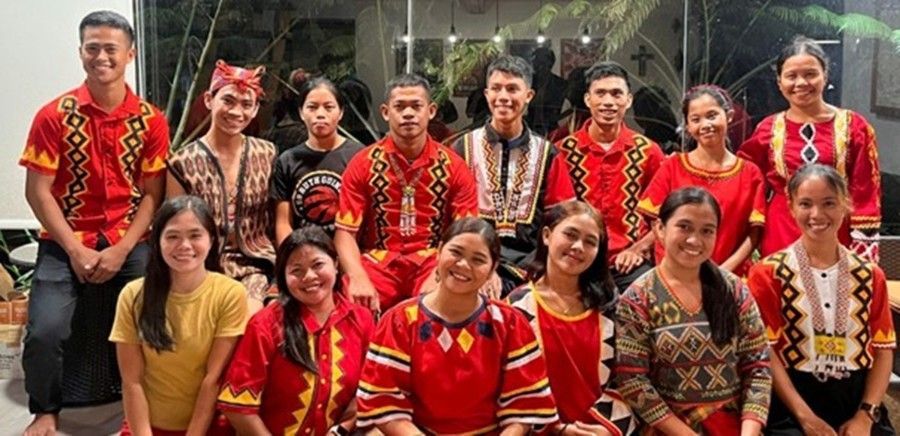
As communities spoke, one call became clear: invest in the youth. In response, the Pamulaan Center for Indigenous Peoples Education was established in 2000. It is a learning community created by and for Indigenous Peoples. Pamulaan became both a home and a launching ground, nurturing Indigenous youth through culture-based education rooted in ancestral land, language, and identity.
In the face of learning poverty and educational exclusion, especially in geographically isolated areas, culture-based education proved transformative. When children and youth see their culture respected in the classroom, learning becomes meaningful and empowering. Education becomes a pathway to dignity rather than erasure.
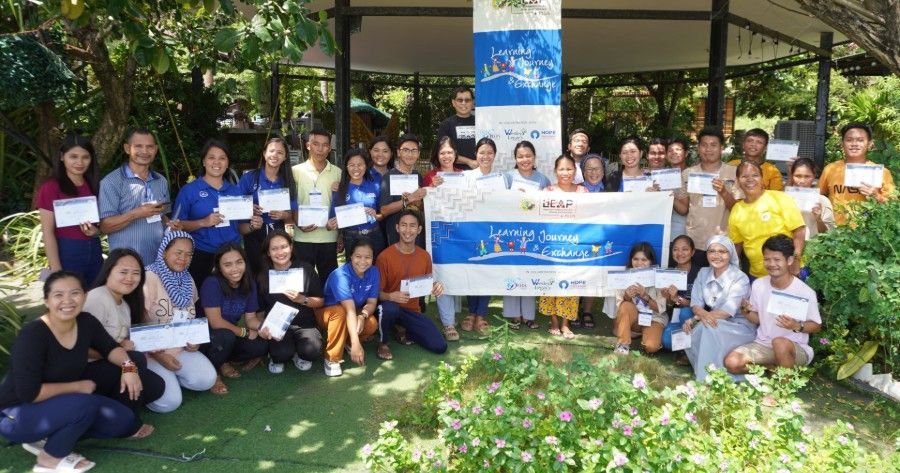
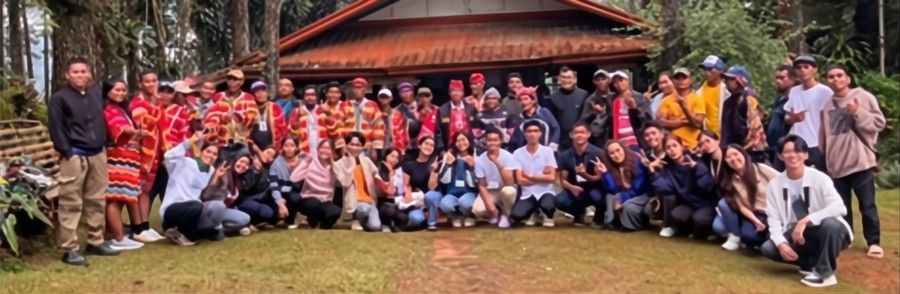
From these learning spaces emerged Indigenous youth as leaders and change agents, many returning to their communities as educators, organizers, and advocates for sustainable development. This same spirit of service inspired the Ilawan Volunteer Program, opening opportunities for young people, especially Indigenous youth, to offer a year of meaningful service.
Alongside youth formation, we supported Indigenous women through sustainable livelihoods, weaving, agriculture, food processing, and community enterprises, strengthening families, preserving culture, and building resilience from the ground up.
Guided by Indigenous knowledge, our work also responds to climate change through ecological stewardship, land-based education, and climate-resilient livelihoods, recognizing that caring for the land is inseparable from protecting life and future generations.
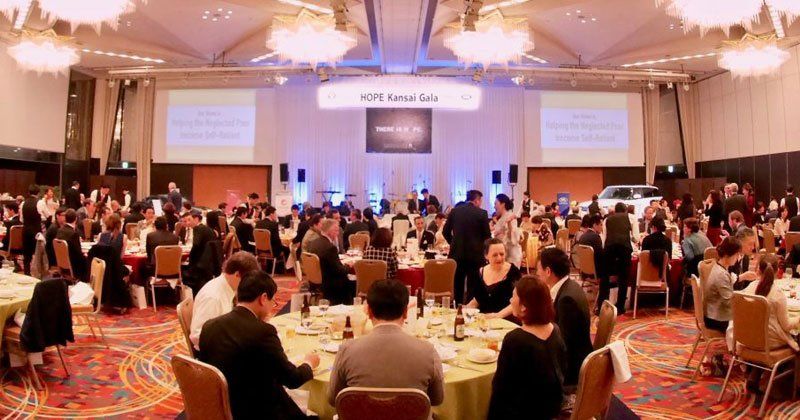
This journey has never been walked alone. I am deeply grateful to our partners, especially HOPE International Development Agency - Japan, whose long-term solidarity reflects a shared commitment to dignity, justice, and hope.
Looking back, I realize that while I sought to accompany Indigenous communities, they also accompanied and transformed me, continually teaching me how to serve with humility, courage, and hope.
HOPE's activities are supported by your donations.
CATEGORIES
UPCOMING EVENTS

22nd Annual "An Evening of HOPE" - Tokyo

25th Annual HOPE Dinner - Nagoya