Solar Lanterns Light Up the Future
Panasonic Solar Lanterns bring light to Garo Korpha Village in Southern Ethiopia
How many days do you think you could go without electricity?
In this report, we share what life is like in a southern Ethiopia village that lacks electricity and how solar lanterns are transforming people's lives.
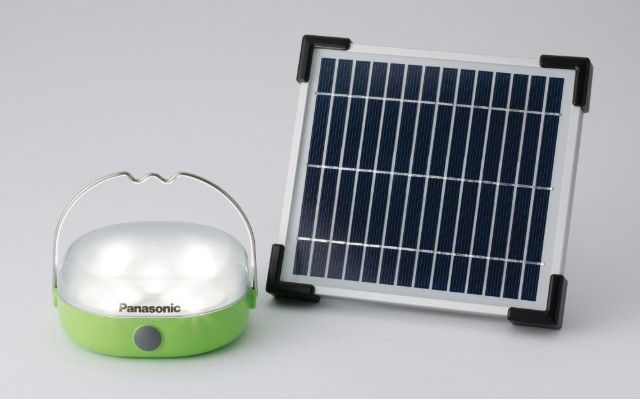
What is a solar lantern?
A solar lantern is a portable light that is charged by a solar panel, making it possible for households without electricity to have light at night.
The lanterns provided through Panasonic’s “Light Up the Future” solar lantern project also come with a USB power port that can be used to charge mobile phones.
Please check the link below for more details.
Electricity in Ethiopia
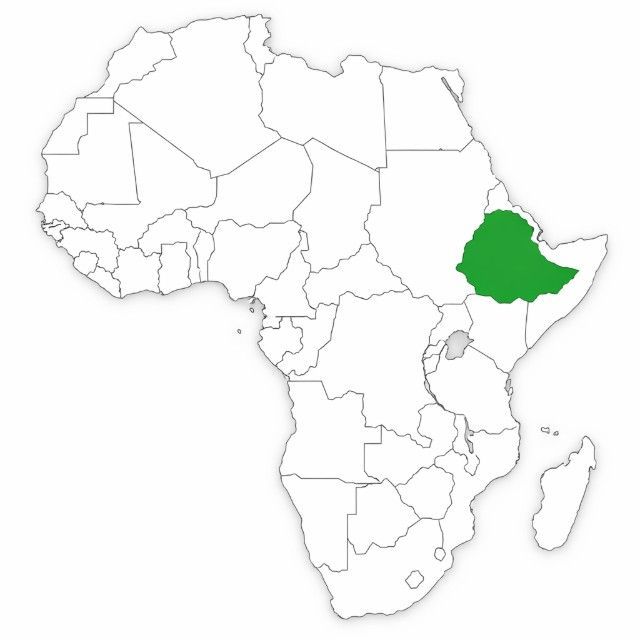
Ethiopia is a landlocked country located in a region known as the Horn of Africa. Its land area is roughly three times that of Japan and is home to a population of 132 million.
Though much of Ethiopia is mountainous and strikingly beautiful, millions of its people still live without reliable electricity."Currently, about 55% of the population has access to electricity. In other words, nearly half of Ethiopia lives without power.
The village of Garo Korpha was an impoverished community that not only lacked access to electricity but also clean water. To address this problem, HOPE implemented projects in 2025 to build a water supply system and boost women's incomes. While these initiatives successfully provided a clean water source and dramatically increased household incomes, the complete lack of electricity was a glaring problem.
The inconvenience of not having electricity goes far beyond the inability to use home appliances.
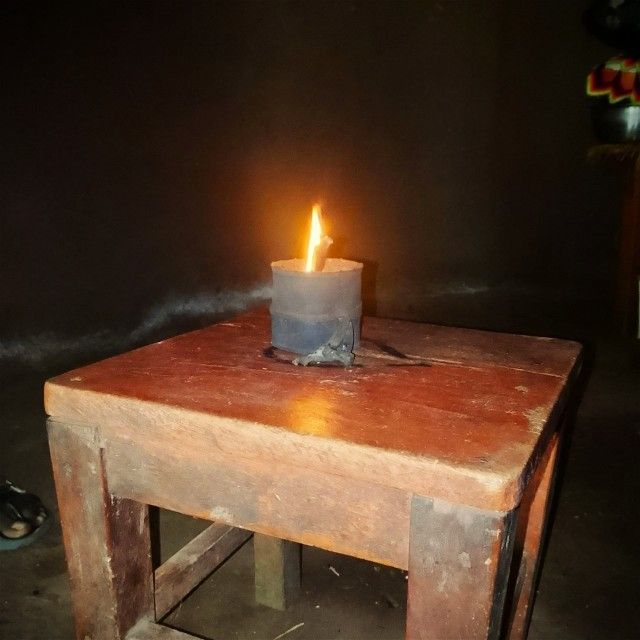
With no electricity in any of the homes and no streetlights, the entire village is plunged into darkness at night.
Venturing out at night - whether to fetch water or use the toilet - requires walking along pitch-black mountain paths, which poses significant risks.
Even if families want to supplement their daytime income with work at night, the darkness makes this impossible.
Children are also unable to study at their desks once the sun goes down.
The lack of light acts as a major barrier, hindering efforts to improve their education and quality of life.
Some households use oil lamps, but these cause serious health issues - such as headaches, coughing, and eye irritation - making prolonged use difficult.
The Transformation Brought by Light
Solar lanterns can dramatically transform such a lifestyle.
Powered by the sun, they require no fuel, offer bright and long-lasting light, and pose no health risks.
The simple presence of light turns the nighttime hours into a time that is both safe and productive.
Lantern Distribution: A Warm Welcome
On distribution day, whole villages turned out to greet us - a welcome far beyond anything we had imagined."
Number of units distributed: 400
Recipients: Primarily elementary school students and teachers (approximately 340 people)
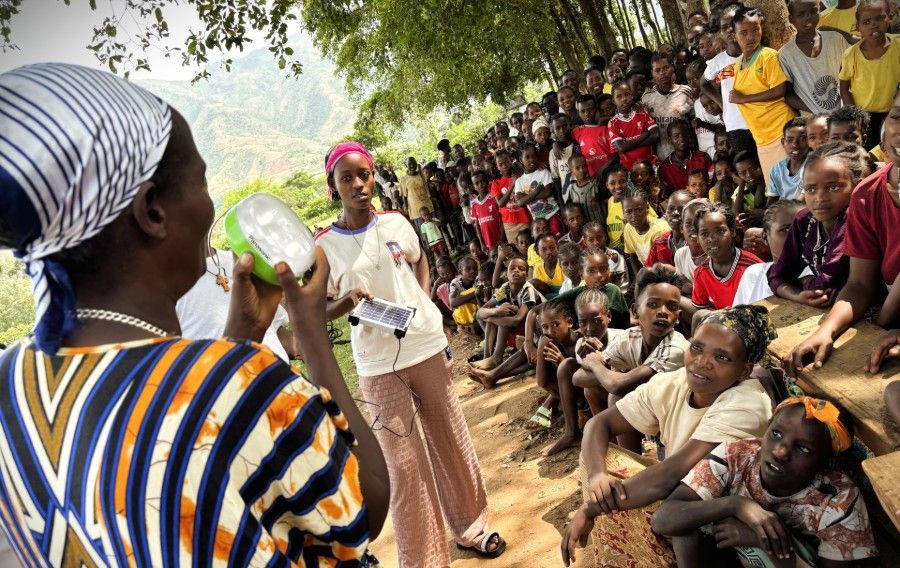
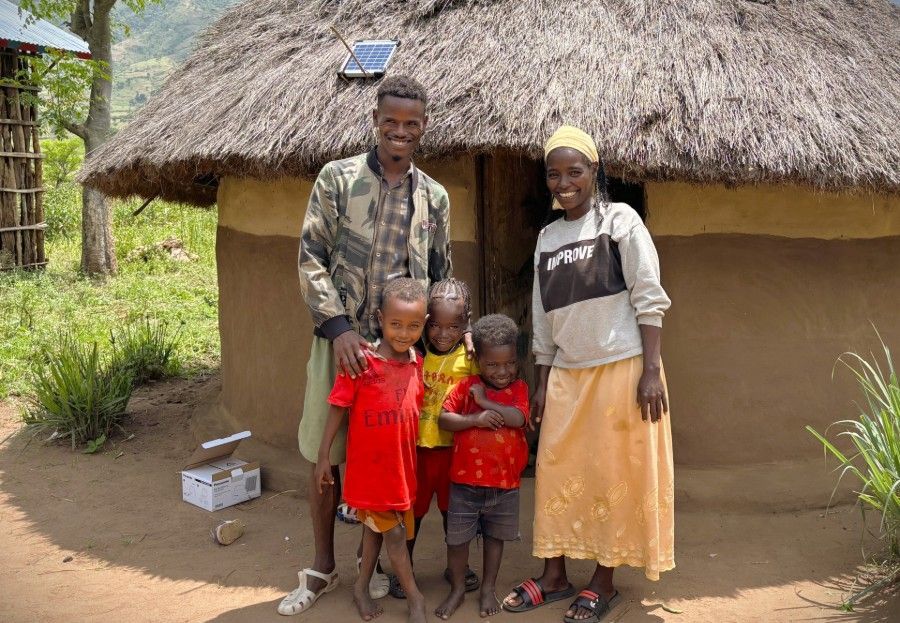
After listening carefully to the instructions, Aster exclaimed that she wanted to try it out right away so we visited her home.
It was a simple house with a thatched roof, home to a family of five. At night, it was completely dark. Using oil lamps had raised concerns about the health of their children.
Installing the solar lantern took only about ten minutes. Even with just three minutes of charging via its solar panel, the light already shone at maximum brightness.
"It brings such peace of mind to have light in the evenings,” she said. “Until now, I had to walk an hour into town and pay a fee just to charge my mobile phone, but now I can do it with this lantern. It’s a huge help."
I will never forget the beaming smiles on the faces of Aster and her family.
Voices from the community
The three most common responses we heard during this distribution were:
We look forward to seeing what changes these lanterns bring to daily life in each of these areas.
Author's Reflections
Greetings from Masaya, a new staff member, sharing this article with you.
I actually used to work at Panasonic.
While the solar lantern initiative is well known within the company, we rarely had the chance to see the lanterns being used in the field.
Witnessing firsthand how light born of Japanese technology is becoming a source of strength for the people of Ethiopia filled me with deep joy and gratitude.But handing over supplies is not where support ends. What we are working toward is a future in which villagers can improve their own lives by their own efforts, without depending on aid. That requires more than providing goods - it means nurturing the capacity of individuals and communities to become self-reliant, through education and mutual support within the community.
We will continue to visit these villages regularly, listening to people's voices and observing how their lives change, as we carry on with support that stays close to their daily lives.
HOPE's activities are supported by your donations.
CATEGORIES
UPCOMING EVENTS

22nd Annual "An Evening of HOPE" - Tokyo

25th Annual HOPE Dinner - Nagoya