Building schools with Cambodian communities - school construction project
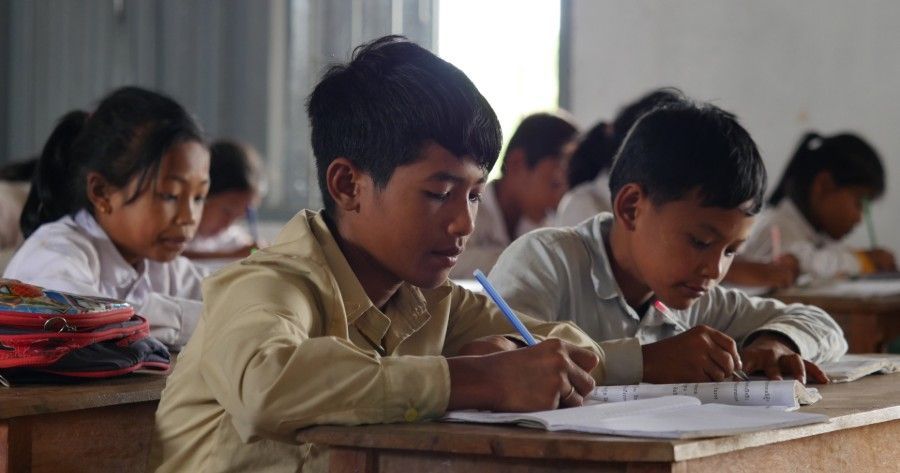
The reality that being able to study at school is not a given
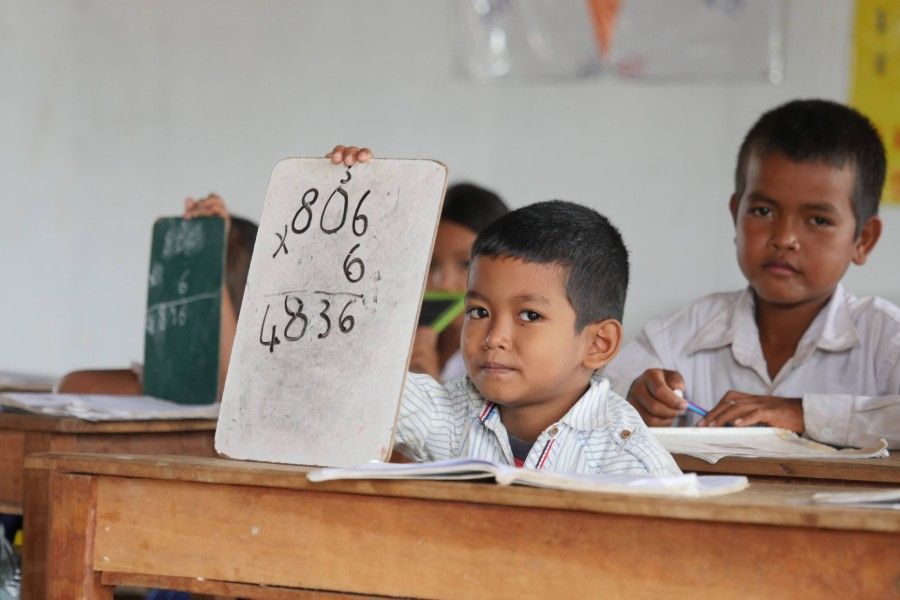
In rural Cambodia, getting a school education is by no means a given. In parts of the country where there are insufficient school buildings and classrooms, a double shift system, where classes are held in alternating morning and afternoon shifts, is common. Many schools hold classes in tough conditions, with decrepit buildings exposed to heavy rain and intense summer heat.
In spite of these difficulties, children flock to school for the opportunity to learn. Their presence at schools attests to their will to learn, despite the inadequacy of their school facilities.
Why build a school?
HOPE believes that education is essential to become self-reliant. Having a school that children can attend not only allows them to get an education, but also empowers them to make their own choices towards their future.
Furthermore, schools are not just for children; they are also important spaces where the community gets together. By building schools, a space is created that allows local communities to get involved and support their children's education.
That is why HOPE does not aim to simply build school buildings, but rather places importance on constructing schools that are rooted in the community to ensure they are continually used over many years.
Past school construction projects
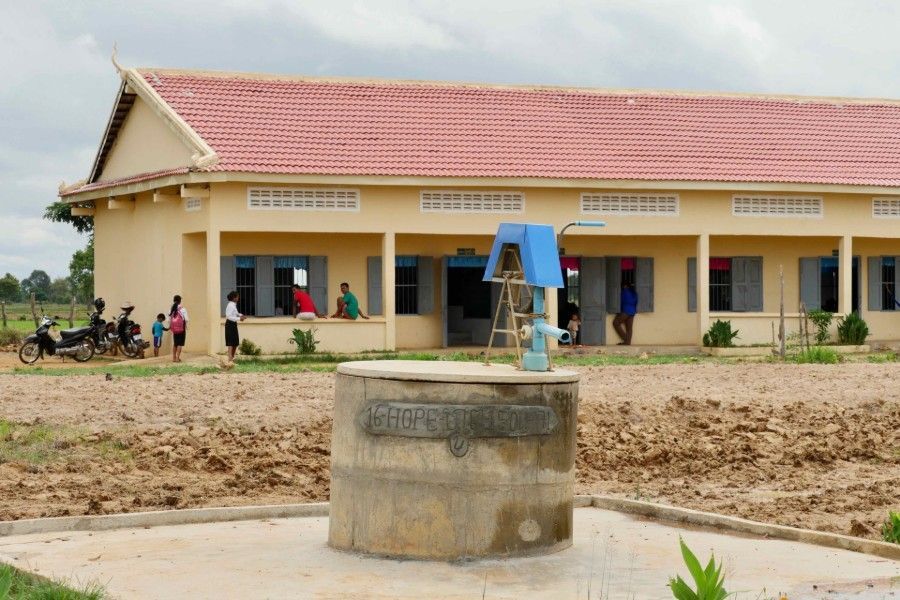
HOPE has been constructing school buildings in Cambodia since 2007. We have built or renovated a total of 16 schools that have benefited approximately 4,000 children.
The school buildings are primarily made of reinforced concrete and feature multiple classrooms, creating safe learning spaces for as many children as possible.
Background to education in Cambodia and remaining challenges
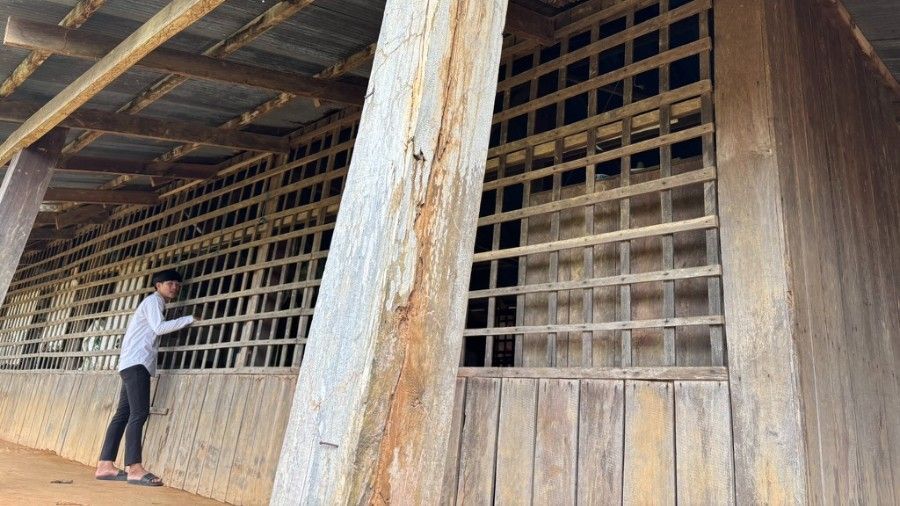
Improving educational facilities has been a major challenge for many years in Cambodia. The education system suffered greatly during the civil war and the Khmer Rouge era, where many schools were lost, teachers disappeared, and the educational system destroyed.
Since then, basic wooden school structures have been constructed across the country with limited materials and funds, but these are now aging, and many school buildings are in need of repairs and reconstruction.
Classroom shortages and improvement in the quality of education
There is still a shortage of school facilities in many regions across Cambodia, and it is common for schools to operate on a two-shift system, with morning and afternoon classes. While the two-shift system is a way to provide classes with limited facilities, it also reduces the time for in-class instruction.
Currently, discussions are underway to move toward full-day schooling in order to provide adequate class time. In addition, teacher qualification requirements are being revised to improve the quality of education, and there is a trend toward shifting teacher training systems from short-term programs to a system based on Bachelor's degrees (four-year programs). Funds are still needed to enhance the educational system and renovate school facilities.
A school built together with the community
The first step for school construction begins with a request directly from the local community and the Department of Education. HOPE works with its Cambodian staff and local organizations to evaluate the necessity and priorities of construction and then moves forward with planning through repeated discussions with the local community.
Community involvement is essential to ensure that school facilities will continue to be used in the long run.
Some schools set aside days for students and residents to participate in the cleaning and maintenance of its facilities, which shows their commitment to protect the school facilities as community property.
Rather than just providing school buildings, HOPE values the initiative of the community.
The impact of school construction
The first major change brought about by the construction of school buildings is the creation of a stable learning environment. Lessons can now be conducted even during the rainy season, safety concerns are reduced, and safe learning spaces are created for the children.
The improved learning environment also brings about other changes, such as making it easier for children to attend classes and allowing schools to be used as community spaces. Education develops children's ability to build their future.
Learning spaces contribute to the future
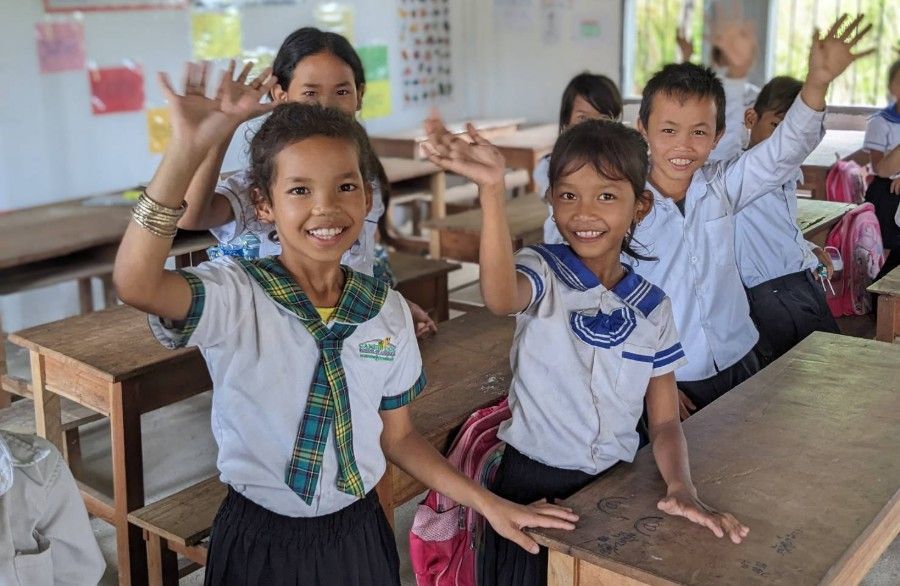
School building construction helps create a place where children can study safely. By creating a space to learn, children can continue to study every day and develop skills for their future. This community aid also impacts the future of the region.
Thanks to your support, the educational environment in rural Cambodia has improved. HOPE will continue to work with local communities to create an educational environment that supports children's ability to continue learning.
HOPE's activities are supported by your donations.
CATEGORIES
UPCOMING EVENTS
22nd Annual "An Evening of HOPE" - Tokyo

25th Annual HOPE Dinner - Nagoya